
Living as a Transformed Community: From Renewed Minds to Radical Love
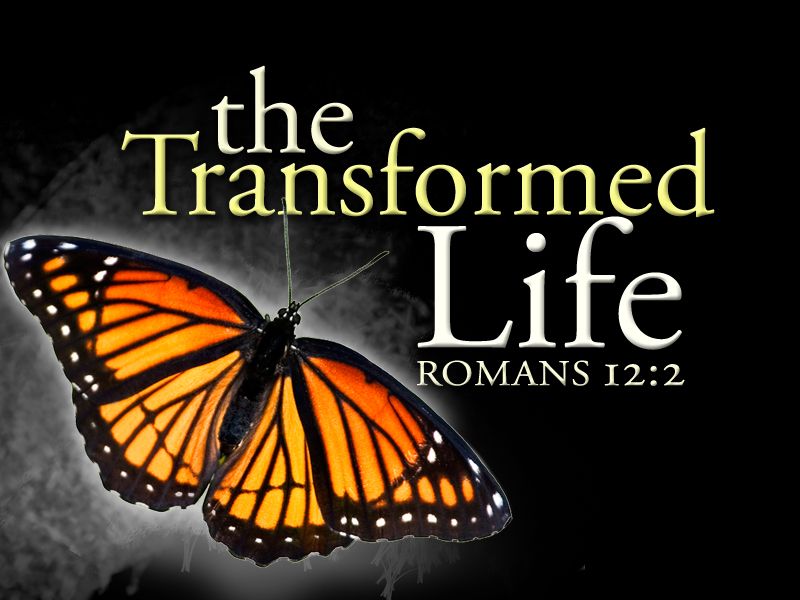
Living as a Transformed Community: From Renewed Minds to Radical Love
The Christian life is not meant to be lived in isolation. While personal transformation begins with a renewed mind surrendered to God, it must overflow into visible, tangible action within our communities. This journey from internal change to external expression is neither simple nor comfortable, but it represents the authentic calling of every believer.
The Foundation: A Renewed Mind
Before we can truly transform our communities, we must first allow God to transform our thinking. We cannot change our lives through behavior modification alone. Many of us try to swap one habit for another, moving from something socially undesirable to something more acceptable, without ever addressing the root issue: our thinking patterns.
True transformation happens when we saturate our minds with God's Word. When we read Scripture daily, even when it feels difficult or beyond our understanding, God opens our eyes to truths we couldn't see on our own. The devotional practice of engaging with biblical truth—whether through a few sentences, a page, or a chapter—creates the foundation for genuine change.
The Psalms remind us of this truth: "You are my strength. I watch for you. You, God, are my fortress. My God in whom I can rely." When we anchor our identity in who God says we are rather than in our feelings or circumstances, we build on solid ground.
The Body: Unity in Diversity
Paul's teaching in Romans 12 presents a beautiful picture of the church as a body with many members, each with different functions. Just as a symphony requires various instruments playing their designated parts, the body of Christ functions best when each person operates in their God-given role.
Imagine a symphony where everyone wants to be the conductor. The result would be chaos, not music. Similarly, if the tuba tried to sound like a violin, it would be useless. Each instrument has value precisely because it contributes its unique sound to the whole.
The same principle applies to spiritual gifts. Whether we possess the gift of prophecy, service, teaching, exhortation, generosity, leadership, or mercy, these gifts are meant to benefit others. They are grace gifts, distributed by God according to His wisdom, not our preferences.
When one member of the body suffers, the entire body feels the pain. Anyone who has experienced kidney stones understands this viscerally—when one part hurts, everything hurts. This physical reality mirrors a spiritual truth: we are called to bear one another's burdens, to weep with those who weep and rejoice with those who rejoice.
The Practice: Genuine Love in Action
Romans 12:9-21 provides a practical checklist for what transformed community life looks like. These aren't suggestions or aspirational goals—they're descriptions of how followers of Christ should naturally live.
Genuine Love: Love must be without hypocrisy. It's easy to love those we perceive as beneath us, where we can play the role of helper or wise counselor. True love requires us to honor others above ourselves, regardless of their status or what they can offer us.
Abhorring Evil: We must hate what is evil and cling to what is good. In a culture that celebrates sin and calls good evil and evil good, this counter-cultural stance becomes increasingly difficult. Yet it remains non-negotiable.
Zeal and Service: We're called to never be lazy but fervent in spirit, serving the Lord. Who would you call at 2 a.m. to pull you out of a ditch? Would they be excited to help? More importantly, would you be excited to receive that call from someone else? Being fervent in spirit means serving joyfully, not grudgingly.
Joy and Perseverance: Genuine joy has nothing to do with present circumstances. We can be joyful in the most horrible spots of life because joy comes from the Lord, not from our situations. Being in constant prayer doesn't mean neglecting our responsibilities; it means maintaining close connection and communion with Christ throughout our daily activities.
Generosity: We're called to share with the saints—our talents, our tithe, and our treasure. And we don't need our names on everything we give. People will know us by our works, by our actions, and by how we respond and accept others.
The Challenge: Overcoming Evil with Good
Perhaps the most radical command in this passage is to pray for those who persecute us. Most of us have never experienced true persecution—we don't know what it's like to be told where we can live, to have our Bibles confiscated, or to face imprisonment for our faith. Yet even in our relatively comfortable context, we struggle to pray for those who have hurt us.
Think of the person who has hurt you most in this world. That person is exactly who you're commanded to pray for this week.
This seems impossible until we remember how God sees us. In spite of our mess, our lies, our wrongdoings—in spite of everything—He wants us for all eternity. The least we can do is extend that same grace to others.
The example of Corrie ten Boom stands as a powerful testimony to this truth. After surviving a concentration camp, she personally forgave the guard who had beaten her and killed many of her family members. This ability to overcome evil with good passes all understanding and demonstrates that only God's grace makes such radical forgiveness possible.
We're commanded not to repay evil for evil. Our natural inclination is to seek revenge, to feel justified in our anger, to think less of our neighbors because of their political views or lifestyle choices. But God's way is different: feed your enemy, give them water, overcome evil with good.
The Reality: Faith Requires Action
Transformation is not just an internal feeling—it's a visible life of humble service and radical love. Our feelings are real and important, but when we operate only through how we feel, we must allow for the possibility that our feelings might be wrong, unindicated, or based on incomplete information.
If we feel that something is wrong but do nothing about it, our feelings are irrelevant. God made us individual members with different eyes, different perspectives, and different life experiences. He didn't make us just to feel. He made us to go forth into this world and be agents of change, to truly do something about what we see and how it makes us feel.
As we live out this calling, we become living sacrifices—and the problem with living sacrifices is that they keep moving around. This daily, messy, intentional way of loving people who are hard to love is exactly what we're called to do. It's how the world will know we belong to Christ.
Originally posted by Webster City Church of Christ via Locable4.9 (23 Reviews)
Webster City Church of Christ
900 Des Moines St
Webster City, IA 50595
515-832-2683
webstercitychurch.com